admin

A Comprehensive Manual on Electrical Services in Singapore

A Comprehensive Manual on Electrical Services in Singapore

Electrical services in Singapore encompass a broad spectrum of technical expertise, regulatory compliance, and practical application essential for both residential and commercial projects. Navigating this domain requires a clear understanding of the roles licensed electricians play, the various services they provide, and the standards governing their work to ensure safety, efficiency, and legal adherence. This comprehensive manual aims to elucidate these aspects, offering detailed insights into how to identify, select, and collaborate with professional electricians for diverse Singapore projects, thereby optimizing outcomes and minimizing risks associated with electrical installations and maintenance.

Understanding Electrician Services in Singapore

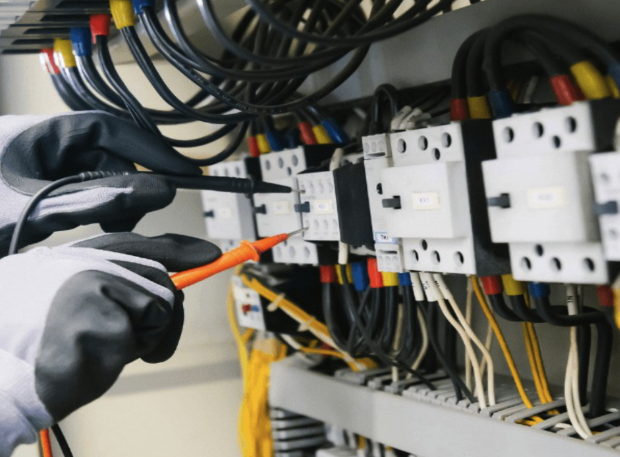
Electrician services in Singapore are multifaceted, addressing the installation, maintenance, repair, and upgrading of electrical systems across different environments. These services span residential housing, commercial buildings, industrial facilities, and infrastructure projects, each demanding specific skill sets and adherence to Singapore’s stringent electrical codes. For example, residential projects often focus on wiring, lighting installation, and safety inspections, while commercial projects might require complex power distribution systems, backup generators, or automation controls.

Electricians in Singapore commonly perform tasks such as:

  • Electrical wiring and rewiring of buildings
  • Installation of circuit breakers and distribution boards
  • Testing and inspection of electrical systems for compliance
  • Emergency electrical repairs and fault finding
  • Integration of renewable energy systems like solar panels

The Singapore Electrical and Electronic Standards (SEES) and the Singapore Standard (SS) codes guide these services, ensuring electricians apply best practices and safety protocols. Compliance with these standards is critical, as it mitigates hazards such as electrical fires, electrocution, and system failures which could have severe consequences in densely populated urban settings.

The Importance of Hiring Licensed Electricians

Engaging licensed electricians is not merely a legal formality but a foundational requirement to guarantee quality, safety, and accountability in electrical services Singapore-wide. Licensed electricians have undergone rigorous training, passed competency assessments, and are certified by the Energy Market Authority (EMA), which regulates electrical safety standards in Singapore. This licensing process ensures electricians possess adequate technical knowledge and practical skills to manage complex electrical systems under strict regulatory conditions.

Key reasons to hire licensed electricians include:

  • Safety Assurance: Licensed electricians follow established safety codes, reducing risk of accidents or electrical malfunctions.
  • Legal Compliance: Many Singapore construction and renovation projects require electrical work to be certified by licensed professionals to pass inspections.
  • Insurance Validity: Work performed by licensed electricians is typically covered under insurance policies, protecting homeowners and businesses from liabilities.
  • Quality Guarantee: Licensed electricians are accountable to industry bodies and customers, ensuring high workmanship standards.

Non-licensed electricians may offer lower rates but often lack comprehensive training, potentially resulting in substandard work that jeopardizes safety and violates regulations. Thus, for any Singapore projects—whether upgrading home wiring or installing industrial power systems—retaining licensed electricians is indispensable to secure reliable and compliant outcomes.

Essential Services Offered by Electricians in Singapore

Electricians in Singapore provide a wide array of services tailored to various electrical needs, ranging from basic repairs to advanced system integrations. Understanding these core services aids in selecting the right specialist for specific project requirements.

Residential Electrical Services

In residential contexts, electricians handle essential tasks such as:

  • Installation and maintenance of lighting fixtures and ceiling fans
  • Wiring for new builds or renovations
  • Upgrading electrical panels and circuit breakers
  • Safety inspections and fault detection
  • Installation of electrical outlets and switches

Commercial and Industrial Electrical Services

For commercial and industrial facilities, electricians manage:

  • Design and installation of complex power distribution networks
  • Implementation of energy management systems and automation controls
  • Maintenance of emergency lighting and backup power supplies
  • Installation of heavy machinery electrical connections
  • Periodic testing and certification for regulatory compliance

Specialized Electrical Services

Beyond standard installations, electricians also specialize in:

  • Renewable energy system installations such as solar photovoltaic panels
  • Smart home system wiring and integration
  • Fire alarm and security system electrical work
  • High-voltage equipment servicing and maintenance

Each service requires specific knowledge of electrical codes and technology trends. For instance, integrating solar panels requires understanding both electrical and environmental regulations, ensuring systems are safe and efficient. Choosing electricians with relevant expertise ensures projects are executed with precision and adherence to Singapore’s evolving standards.

Differences Between Licensed and Unlicensed Electricians

The distinction between licensed and unlicensed electricians in Singapore is critical from safety, legal, and quality perspectives. Licensed electricians have fulfilled mandatory certification, whereas unlicensed individuals lack official recognition to perform electrical work legally.

Aspect Licensed Electricians Unlicensed Electricians
Certification Certified by EMA with required training and exams No formal certification or regulatory approval
Legal Status Authorized to perform electrical work legally Work is illegal and may lead to penalties
Safety Compliance Strict adherence to Singapore electrical safety codes Often neglects safety standards, increasing risks
Liability and Insurance Work covered by insurance and warranties No insurance coverage or warranties provided
Quality of Work High standards due to accountability and training Quality often subpar, prone to faults and failures

Choosing unlicensed electricians may appear cost-effective initially; however, the potential dangers—ranging from electrical fires to legal repercussions—far outweigh any short-term savings. Licensed electricians provide peace of mind through compliance with Singapore’s electrical regulations, ensuring that projects meet both safety and quality benchmarks.

Tips for Selecting the Best Electrician for Your Project

Selecting an electrician for Singapore projects involves careful evaluation of credentials, experience, and service offerings, ensuring alignment with project scope and safety requirements. The following guidelines aid in making informed decisions:

  1. Verify Licensing: Confirm the electrician holds a valid license issued by the Energy Market Authority (EMA) to guarantee regulatory compliance.
  2. Assess Experience: Choose electricians with proven expertise in projects similar in scale and complexity to yours, whether residential, commercial, or industrial.
  3. Check References and Reviews: Seek feedback from previous clients or online platforms to evaluate reliability and workmanship quality.
  4. Evaluate Service Range: Ensure the electrician offers the specific services required—such as testing, installation, or specialized systems integration.
  5. Request Clear Quotations: Obtain detailed, transparent pricing estimates including labor, materials, and potential contingencies to avoid hidden costs.
  6. Confirm Insurance Coverage: Verify that the electrician’s work is insured to mitigate liability in case of accidents or damages.
  7. Consider Availability and Responsiveness: Timely communication and project scheduling are vital to meet deadlines and address emergent issues effectively.

Engaging electricians who demonstrate professionalism, technical competence, and adherence to Singapore’s electrical codes ultimately safeguards project success and occupant safety. Additionally, consulting industry associations or online directories such as the Energy Market Authority or SP Group can provide verified lists of qualified electricians.

Electrical Safety Regulations and Standards in Singapore

Singapore maintains rigorous electrical safety regulations to protect both consumers and infrastructure, enforced primarily through the Electricity Act and associated subsidiary legislation. Licensed electricians must comply with standards such as the Singapore Standard SS 638: Code of Practice for Electrical Installations, which delineates requirements for wiring methods, safety devices, and system design.

Key safety measures mandated include:

  • Installation of Residual Current Devices (RCDs) to prevent electric shocks
  • Use of certified electrical materials and components
  • Periodic inspection and testing of electrical installations
  • Clear labeling and documentation of electrical circuits
  • Proper earthing and bonding to avoid electrical hazards

Non-compliance can result in fines, work stoppages, or revocation of licenses, underscoring the vital importance of engaging qualified electricians who are well-versed in regulatory mandates. Furthermore, the Singapore Civil Defence Force (SCDF) oversees fire safety related to electrical systems, adding another layer of regulatory oversight for electricians.

The Role of Technology and Innovation in Singapore’s Electrical Services

Technological advancements increasingly influence electrical services Singapore-wide, enabling greater efficiency, safety, and sustainability in installation and maintenance practices. Innovations such as Building Information Modelling (BIM), smart grid technology, and Internet of Things (IoT) integration are transforming how electricians approach modern projects.

Examples of innovation adoption include:

  • Smart home electrical installations enabling remote control of lighting and appliances
  • Energy management systems that optimize power consumption in commercial buildings
  • Use of thermal imaging cameras to detect electrical faults without dismantling equipment
  • Integration of renewable energy sources coupled with energy storage systems

The incorporation of such technologies demands electricians to continually update their skills and certifications, underscoring the value of licensed electricians capable of applying cutting-edge solutions that align with Singapore’s Smart Nation initiatives.

Cost Considerations for Electrical Services in Singapore

Budgeting for electrical services in Singapore involves multiple factors including project size, complexity, and urgency. Generally, costs can fluctuate depending on whether the work is residential or commercial, the type of electrical components used, and the level of expertise required.

Service Type Typical Cost Range (SGD) Factors Influencing Cost
Basic Electrical Repairs 50 – 200 Scope of repair, parts needed, urgency
Wiring Installation (Residential) 1,000 – 5,000 Building size, wiring complexity, materials
Commercial Electrical Systems 5,000 – 50,000+ System scale, automation, safety requirements
Renewable Energy Integration 10,000 – 40,000 System capacity, inverter types, installation complexity

Obtaining multiple quotes and clarifying service scopes are essential steps to manage costs effectively. It is equally important to prioritize quality and compliance over lowest price to prevent costly future repairs or regulatory issues.

Common Challenges Encountered in Electrical Projects in Singapore

Electrical projects in Singapore often face challenges related to regulatory compliance, space constraints, and integration with existing infrastructure. Urban density and the prevalence of high-rise buildings impose limitations on wiring routes and installation accessibility, requiring skilled electricians to devise creative solutions.

Additional challenges include:

  • Ensuring compatibility between new electrical systems and legacy equipment
  • Managing disruptions during renovations in occupied premises
  • Addressing the complexity of multi-tiered electrical networks in industrial settings
  • Keeping pace with evolving standards and technological innovations

Experienced licensed electricians mitigate these challenges by conducting thorough site assessments, employing advanced diagnostic tools, and maintaining close communication with clients and regulatory authorities to ensure smooth project execution.

Future Trends Impacting Electrical Services in Singapore

Emerging trends will shape the future landscape of electrical services Singapore-wide, driven by sustainability goals, digital transformation, and evolving consumer demands. Increasing adoption of electric vehicles (EVs) necessitates widespread installation of EV charging stations, creating new service niches for electricians.

Other anticipated developments include:

  • Greater emphasis on energy-efficient electrical systems to reduce carbon footprints
  • Expansion of smart grid technologies for real-time energy management
  • Integration of AI-driven predictive maintenance to prevent electrical failures
  • Enhanced safety protocols leveraging sensor technology and automation

Electricians and service providers who proactively embrace these trends will be positioned to deliver innovative solutions that meet Singapore’s sustainability and technological ambitions, reinforcing the critical role of licensed electricians in future projects.

Conclusion

Electrical services in Singapore demand a comprehensive understanding of technical expertise, regulatory frameworks, and evolving industry innovations. Licensed electricians play a pivotal role in ensuring safety, quality, and legal compliance across diverse projects—from residential wiring to large-scale commercial installations. Evaluating electricians based on licensing, experience, and service capabilities is essential for successful project outcomes. As technology advances and sustainability initiatives gain momentum, electricians must adapt to new tools and standards, reinforcing their value in Singapore’s dynamic electrical services sector.

Frequently Asked Questions

What qualifications must electricians have to be licensed in Singapore?

Electricians in Singapore must complete accredited training courses, accumulate practical experience, and pass certification exams administered by the Energy Market Authority (EMA) to obtain a valid electrical license.

Can unlicensed electricians legally perform electrical work in Singapore?

No, performing electrical work without a valid license is illegal in Singapore and may result in fines, penalties, or legal action. Only licensed electricians are authorized to carry out electrical installations and repairs.

How often should electrical systems in residential buildings be inspected in Singapore?

Residential electrical systems should ideally undergo inspection every 3 to 5 years or after significant renovations to ensure safety and compliance with current standards.

Are there government incentives for installing renewable energy systems in Singapore?

Yes, Singapore offers various incentives such as grants and tax rebates to encourage the adoption of renewable energy systems like solar photovoltaic installations under schemes like the SolarNova programme.

What are the risks of hiring an unlicensed electrician for my project?

Risks include substandard workmanship, safety hazards like electrical fires or shocks, non-compliance with regulations, invalid insurance coverage, and potential legal liabilities.

How do smart electrical systems benefit commercial buildings in Singapore?

Smart systems enhance energy efficiency, enable remote monitoring and control, reduce operational costs, and improve occupant comfort through automated lighting, HVAC, and power management.

admin

LEW Services Comparison: Finding Your Ideal Match

LEW Services Comparison: Finding Your Ideal Match

Choosing the right Licensed Electrical Worker (LEW) service in Singapore can be a complex task given the diverse range of providers available, each offering distinct capabilities, pricing structures, and service quality. This comprehensive analysis aims to equip consumers with a detailed LEW services comparison, highlighting key features, pricing models, technical expertise, and customer feedback to facilitate informed decision-making. By delving into these facets, users can identify the electrical specialists best suited to their unique requirements, ensuring safety, compliance, and value for money in their electrical projects.

Key Features of LEW Services

The foundational aspects that define LEW services encompass licensing credentials, scope of work, response time, and compliance with industry standards. In Singapore, all electrical specialists must be certified by the Energy Market Authority (EMA), ensuring adherence to stringent safety protocols. Beyond licensing, customers should assess the range of services offered, from residential wiring and electrical repairs to large-scale commercial installations and maintenance contracts.

Scope and Specialization

Some LEW providers specialize in niche areas such as energy-efficient lighting solutions, solar panel installations, or smart home integrations, while others offer comprehensive electrical system services. For instance, a specialist focusing on renewable energy systems may bring added value to eco-conscious consumers, whereas a generalist might cater better to routine repairs and upgrades.

Response Time and Availability

In emergency scenarios, rapid response is critical. Many top LEW services advertise 24/7 availability with guaranteed on-site arrival times ranging from 30 minutes to two hours. Evaluating this aspect is vital for businesses and homeowners seeking reliability during power outages or electrical faults.

Compliance and Safety Standards

Beyond EMA certification, adherence to Singapore Standard SS638 and other international electrical codes is essential. LEW providers that demonstrate transparent safety audit reports and maintain updated certifications typically offer higher assurance of quality workmanship and regulatory compliance.

Pricing Comparison Among Top Providers

Pricing in the LEW market varies substantially based on factors such as the complexity of the job, required materials, and service level agreements. To provide clarity, the following table compares the pricing structures of five leading LEW service providers in Singapore, focusing on common service categories including standard wiring, electrical panel upgrades, and emergency repair rates.

Provider Standard Wiring (per point) Electrical Panel Upgrade Emergency Repair (per hour)
ElectroPro SGD 80 SGD 1,200 SGD 120
BrightVolt SGD 75 SGD 1,350 SGD 150
PowerSafe LEW SGD 85 SGD 1,100 SGD 130
NextGen Electrical SGD 90 SGD 1,250 SGD 140
VoltMaster SGD 78 SGD 1,180 SGD 125

The pricing table reveals that while BrightVolt offers slightly lower wiring costs, their emergency repair rates are comparatively higher. On the other hand, PowerSafe LEW maintains competitive rates across all categories, potentially offering balanced value. It is crucial for consumers to consider the total cost of ownership, including warranties and potential hidden fees, beyond initial pricing.

Service Quality Assessment Criteria

Evaluating the quality of LEW services requires a multifaceted approach, integrating tangible performance metrics and subjective customer experiences. Key assessment criteria include workmanship quality, adherence to deadlines, communication efficiency, and post-service support.

Workmanship and Compliance

Quality workmanship is often measurable by the longevity of installations and frequency of call-backs or repairs. Providers who utilize high-grade materials and follow stringent installation protocols tend to minimize electrical faults and safety hazards. Verification of compliance with local electrical codes is an indispensable part of quality assurance.

Project Timeliness and Communication

Meeting project deadlines reflects operational efficiency and respect for client schedules. Providers employing digital project management tools often offer enhanced transparency, enabling clients to track progress and communicate with electrical specialists in real time, thus reducing misunderstandings.

After-Sales Service and Support

Robust after-sales service, including warranty coverage and rapid response to service requests, significantly influences overall satisfaction. Providers offering extended warranties and periodic maintenance checks demonstrate confidence in their service quality and commitment to customer care.

Customer Reviews and Testimonials Analysis

Consumer feedback offers invaluable insights into the real-world performance of LEW services, highlighting strengths and weaknesses that may not be immediately apparent from marketing materials. Analyzing aggregated review data from platforms such as Google Reviews, Trustpilot, and local forums reveals patterns in customer satisfaction.

Positive Feedback Trends

High ratings often emphasize punctuality, professionalism, and clear pricing transparency. For instance, customers of ElectroPro frequently commend their technicians’ expertise and courteous behavior, while VoltMaster is praised for quick emergency responses.

Common Complaints

Negative reviews typically focus on delayed responses, unexpected cost escalations, and inadequate post-service support. Some clients report communication lapses leading to incomplete job scopes or overlooked safety checks, underscoring the importance of thorough vetting before engagement.

Case Example: Service Recovery

One provider, NextGen Electrical, resolved a negative customer experience by offering complimentary follow-up services and transparent cost breakdowns, turning a dissatisfied client into a loyal advocate. Such proactive customer service strategies can differentiate providers in a competitive market.

Technical Expertise Evaluation

Technical competence in the LEW sector extends beyond basic electrical work to include mastery of evolving technologies such as smart grid integrations, energy management systems, and compliance with environmental standards. Assessing providers’ technical expertise involves reviewing certifications, ongoing training programs, and specialization credentials.

Certification and Training

Providers that invest in continuous professional development typically maintain a workforce skilled in the latest electrical codes, safety protocols, and emerging technologies. For example, certifications in Building and Construction Authority (BCA) Green Mark or Energy Efficiency initiatives demonstrate a commitment to sustainability and advanced technical knowledge.

Technological Adaptability

Technological adaptability can be gauged by providers’ portfolios featuring advanced installations such as Internet of Things (IoT) enabled home automation or solar photovoltaic systems. LEW services proficient in these areas enable clients to future-proof their electrical infrastructure.

Example: Smart Home Integration

BrightVolt has established a division dedicated to smart home electrical solutions, including energy monitoring and automated lighting control. Their ability to integrate these systems with existing electrical setups distinguishes them from more traditional LEW providers.

Additional Services and Benefits Offered

Beyond core electrical services, many LEW providers incorporate supplementary offerings that enhance customer value and convenience, which may influence the overall service selection.

  • Maintenance Contracts: Long-term maintenance packages provide scheduled inspections and preventive repairs, reducing unexpected downtime and extending equipment lifespans.
  • Consultation Services: Expert advice on energy optimization and electrical system upgrades helps clients make cost-effective decisions aligned with regulatory requirements.
  • Warranty and Insurance: Comprehensive warranties coupled with liability insurance protect clients from financial risks related to service defects or accidents.
  • Eco-Friendly Solutions: Some providers offer green energy alternatives, including solar installation and LED retrofits, catering to environmentally conscious consumers.
  • Flexible Payment Options: Financing plans and installment schemes make high-cost electrical projects more accessible to a broader customer base.

Such added benefits often differentiate providers with comparable core services, with customers prioritizing those that reduce hassle and enhance project outcomes.

For further guidelines on electrical safety standards, explore the Energy Market Authority’s Electricity Safety Guidelines. Additional technical insights can be found at the Building and Construction Authority Singapore website, which offers updated regulations and green building standards. To evaluate vendor credibility and customer satisfaction, the Trustpilot review platform offers extensive user-generated reviews relevant to LEW services.

Conclusion

Identifying an ideal LEW service in Singapore demands a holistic evaluation of their licensing, service scope, pricing, quality assurance, and customer satisfaction. Providers excelling in technical expertise and offering additional benefits such as maintenance contracts and eco-friendly solutions often deliver superior value. By systematically comparing these criteria, consumers can confidently select electrical specialists aligned with their specific project needs, ensuring safety, efficiency, and compliance throughout their electrical undertakings.

Frequently Asked Questions

What qualifications should I verify before hiring an LEW service?

Ensure the provider holds a valid LEW license issued by the Energy Market Authority, complies with local electrical codes (SS638), and possesses relevant certifications such as safety training or specialization in advanced electrical systems.

How do emergency LEW services typically charge compared to regular services?

Emergency LEW services often charge higher hourly rates due to after-hours availability and rapid response requirements, sometimes including minimum service fees or surcharges for urgent call-outs.

Can LEW services assist with energy-efficient electrical system upgrades?

Yes, many LEW providers offer consultations and installations for energy-efficient solutions such as LED lighting retrofits, solar panel systems, and smart energy management devices to optimize electricity usage.

Is it necessary to sign a maintenance contract with an LEW provider?

Maintenance contracts are optional but recommended for ongoing electrical system health, providing scheduled inspections and preventive repairs that minimize costly breakdowns and extend equipment life.

How can I verify the authenticity of customer reviews for LEW services?

Look for reviews on reputable platforms like Google Reviews or Trustpilot, check for detailed feedback rather than generic comments, and be cautious of overly positive or negative reviews without specifics.

Do LEW services offer financing options for large projects?

Some LEW providers provide flexible payment plans or financing options, making substantial electrical upgrades or installations more affordable by spreading costs over time.

admin

Top 5 LEW Services Offered by Electricians in Singapore

Top 5 LEW Services Offered by Electricians in Singapore

Licensed Electrical Workers (LEWs) play a crucial role in maintaining and enhancing Singapore’s electrical infrastructure through specialized services that adhere to stringent safety and regulatory standards. This article explores the top 5 LEW services offered by electricians in Singapore, emphasizing the importance of engaging licensed electricians who comply with established electrical safety standards. Through a detailed examination of these services, readers will gain a comprehensive understanding of the technical scope, benefits, and regulatory frameworks that define the role of LEWs in Singapore’s electrical industry.

Understanding LEW Services in Singapore

LEW services in Singapore are defined by the expertise and authorization granted to electricians certified by the Energy Market Authority (EMA) to perform electrical work legally and safely. These services encompass a wide range of electrical installations, maintenance, testing, and repairs that comply with the Electricity Act and associated regulations. LEWs are responsible for ensuring that all electrical systems function reliably while minimizing risks such as electrical fires, shocks, and system failures.

Singapore’s regulatory framework mandates that only licensed professionals conduct electrical works to uphold public safety and system integrity. LEW services cover both residential and commercial sectors, requiring electricians to be proficient in managing complex electrical layouts and emerging technologies. The scope includes but is not limited to:

  • Installation of electrical wiring and switchboards
  • Testing and certification of electrical systems
  • Repairs and upgrades of electrical components
  • Energy efficiency improvements
  • Emergency electrical troubleshooting

Given the technical complexity and potential hazards involved, understanding these services is essential for consumers and businesses seeking reliable electrical solutions. LEW services represent a standard of professionalism and compliance that safeguards Singapore’s electrical infrastructure.

Benefits of Hiring Licensed Electricians in Singapore

Engaging licensed electricians for LEW services in Singapore delivers multiple advantages, foremost among them legal compliance and enhanced safety. Licensed electricians have undergone rigorous training, assessment, and continual education to meet the evolving demands of the electrical industry. This licensing ensures that they possess not only the technical skills but also an understanding of local electrical safety standards and codes.

Some key benefits include:

  • Regulatory Compliance: Only licensed electricians can legally perform electrical works, protecting clients from potential legal penalties or insurance claim denials.
  • Quality Assurance: Licensed electricians adhere to prescribed workmanship standards, reducing the likelihood of future faults or hazards.
  • Safety Assurance: Preventing electrical accidents through proper installation and maintenance is a primary responsibility of licensed professionals.
  • Access to Warranties and Insurance: Licensed electricians typically provide warranties for their work and hold professional indemnity insurance, offering clients financial protection.
  • Expertise with Latest Technologies: Licensed electricians stay updated with innovations such as smart home systems, renewable energy integration, and energy-saving devices.

For example, a property owner who hires a licensed electrician to upgrade a building’s electrical system benefits from reduced fire risks and compliance with the latest electrical codes, thereby ensuring long-term safety and value. Moreover, licensed electricians can provide formal certification for electrical installations, which is often required for property transactions and insurance purposes.

Overview of Popular LEW Services Offered by Electricians in Singapore

The top LEW services offered by electricians in Singapore reflect the diverse needs of the residential, commercial, and industrial sectors. These services are often customized to meet specific regulatory requirements and operational demands. The following are the five most popular LEW services:

  1. Electrical Installation and Upgrades
  2. Electrical Inspection and Testing
  3. Fault Diagnosis and Repair
  4. Energy Efficiency Consultations and Solutions
  5. Emergency Electrical Services

Electrical Installation and Upgrades

This service involves setting up electrical wiring, switchboards, and circuit breakers in new constructions or retrofitting older systems to meet higher capacity or safety standards. Licensed electricians ensure installations conform to the Singapore Standard SS 638, which governs wiring and electrical installations in buildings.

Electrical Inspection and Testing

Routine inspections and testing verify the integrity of electrical installations, identifying potential hazards such as insulation deterioration or circuit overloads. LEWs use specialized equipment to conduct earth resistance tests, insulation resistance tests, and polarity checks, providing certification required by authorities.

Fault Diagnosis and Repair

Diagnosing electrical faults requires expertise to accurately identify issues ranging from faulty wiring to malfunctioning appliances. Licensed electricians perform repairs that restore system functionality while eliminating risks of recurrence.

Energy Efficiency Consultations and Solutions

With growing emphasis on sustainability, LEWs provide consultations aimed at reducing energy consumption through efficient lighting, variable-speed drives, and solar panel integration. This service supports Singapore’s Green Plan 203 goals.

Emergency Electrical Services

Round-the-clock availability for urgent repairs, such as power outages or electrical fires, is a critical LEW service. Licensed electricians respond promptly to mitigate damage and restore safe electrical operation.

Key Electrical Safety Standards for LEW Services in Singapore

The foundation of LEW services in Singapore rests on adherence to rigorous electrical safety standards designed to protect life, property, and the continuity of electrical supply. Key standards include:

  • Electricity Act (Chapter 89): The principal legislation regulating electrical work and licensing requirements.
  • Singapore Standard SS 638: Governs wiring and electrical installations, including materials, methods, and safety clearances.
  • Code of Practice for Electrical Safety: Outlines safe work procedures and risk management for electrical tasks.
  • Workplace Safety and Health (WSH) Regulations: Enforce safety protocols to protect workers and occupants during electrical works.

Compliance and Enforcement

The Energy Market Authority (EMA) enforces these standards through regular audits and inspections. Non-compliance can result in penalties, license suspension, or revocation. Licensed electricians are required to maintain detailed records of their work, including test results and certifications, to demonstrate compliance during inspections.

Technological Implications

With the advent of smart grid technologies and renewable energy sources, electrical safety standards are continuously updated to address new risks. LEWs must stay informed on amendments such as those relating to photovoltaic system installations and electric vehicle charging stations to ensure all works meet the latest safety benchmarks.

Choosing the Right LEW Service Provider in Singapore

Selecting an appropriate LEW service provider entails evaluating multiple factors that ensure both service quality and regulatory compliance. Prospective clients should consider the following criteria:

  • Licensing and Accreditation: Verify that the electrician holds a valid LEW license issued by EMA.
  • Experience and Specialization: Assess the provider’s track record with projects similar in scope and complexity.
  • Compliance History: Investigate any history of safety violations or complaints.
  • Customer Reviews and References: Seek feedback from previous clients to gauge reliability and professionalism.
  • Pricing Transparency: Obtain detailed quotations and ensure there are no hidden charges.
  • Availability and Support: Confirm the provider offers timely response, especially for emergency services.

Decision-Making Framework

To facilitate an informed selection, clients can utilize the following comparison table evaluating shortlisted LEW providers based on key attributes:

Provider License Validity Years of Experience Customer Rating (out of 5) Emergency Service Availability
ElectroSafe Pte Ltd Valid until 2026 15 years 4.8 24/7
PowerTech Solutions Valid until 2025 10 years 4.5 Business hours only
BrightWire Electrical Valid until 2027 8 years 4.6 24/7

By assessing providers against these factors, clients can identify the most reliable and competent licensed electricians to meet their LEW service needs.

For further information on LEW licensing and regulations, the official Energy Market Authority website provides comprehensive resources. Additionally, the Building and Construction Authority offers guidelines relevant to electrical installations in buildings. For updates on electrical safety standards, refer to the Singapore Standards eShop.

Conclusion

The top 5 LEW services offered by electricians in Singapore encompass essential functions that ensure electrical systems are safe, efficient, and compliant with regulatory requirements. By engaging licensed electricians, consumers benefit from professional expertise, legal protection, and adherence to stringent electrical safety standards that govern the industry. Understanding these services and the criteria for selecting qualified providers empowers property owners and businesses to make informed decisions that safeguard their electrical infrastructure. As Singapore advances towards more sustainable and technologically integrated systems, the role of LEWs will continue to evolve, underscoring the importance of professional electrical services.

Frequently Asked Questions

What qualifications must an electrician have to become a Licensed Electrical Worker in Singapore?

An electrician must complete recognized training programs, pass the LEW examination conducted by the Energy Market Authority (EMA), and fulfill practical experience requirements to become a Licensed Electrical Worker in Singapore.

How often should electrical installations be inspected by a licensed electrician in Singapore?

Electrical installations in residential and commercial properties are typically recommended to undergo inspection every 3 to 5 years, or immediately after major renovations or electrical faults, to ensure compliance with safety standards.

Are LEW services covered by insurance in Singapore?

Licensed Electrical Workers and their companies usually carry professional indemnity and public liability insurance, which protects clients against damages arising from faulty workmanship or accidents during electrical works.

Can licensed electricians in Singapore install renewable energy systems like solar panels?

Yes, licensed electricians are authorized and trained to install renewable energy systems, including photovoltaic solar panels, ensuring installations comply with electrical safety standards and regulatory requirements.

What should be included in an electrical installation certificate issued by a licensed electrician?

An electrical installation certificate typically includes details about the scope of work, test results, compliance with standards, the electrician’s license number, and confirmation that the system is safe for use.

How does Singapore ensure that electrical safety standards keep pace with emerging technologies?

Regulatory bodies like the EMA regularly review and update electrical safety codes, incorporating feedback from industry experts and technology developers to address new risks associated with innovations such as smart grids and electric vehicles.

admin

A Comprehensive Guide to Selecting the Right LEW Service for Your Electrical Needs

A Comprehensive Guide to Selecting the Right LEW Service for Your Electrical Needs

Choosing the appropriate LEW (Licensed Electrical Worker) service is critical for ensuring safety, efficiency, and compliance in all electrical projects. The process of selecting the right LEW service involves understanding the scope of electrical requirements, evaluating various service providers, and making informed decisions based on technical expertise and cost-effectiveness. This guide offers a detailed examination of the factors influencing the choice of LEW services, providing a structured approach to help homeowners, businesses, and facility managers meet their electrical needs with confidence and precision.

Understanding LEW Services and Their Importance

Licensed Electrical Worker services encompass a broad spectrum of electrical tasks including installation, maintenance, repair, and inspection of electrical systems in residential, commercial, and industrial settings. The significance of engaging qualified LEWs lies in their certification and adherence to regulatory standards that ensure electrical safety and operational reliability.

LEW services typically cover:

  • Electrical wiring and rewiring
  • Installation of lighting and power outlets
  • Electrical panel upgrades and circuit breaker repairs
  • Compliance inspections and safety audits
  • Emergency electrical troubleshooting

For instance, a commercial facility undergoing expansion will require an LEW to design and implement electrical systems that meet increased load demands while complying with local electrical codes. Engaging a licensed professional minimizes the risk of electrical hazards such as fires or shocks and ensures that the installation passes regulatory inspections without delays.

The importance of LEW services extends beyond technical execution; it also influences insurance validity and legal liability in case of electrical failures. Selecting an unlicensed or inexperienced worker can lead to severe safety breaches and financial penalties.

Factors to Consider When Choosing an LEW Service

Selecting the right LEW service involves a comprehensive evaluation of multiple factors to align service capabilities with specific electrical requirements. These considerations include:

Certification and Licensing

Verification of the LEW’s credentials is paramount. Licensing confirms the worker’s knowledge of electrical codes and standards. It is advisable to check for current certifications issued by recognized regulatory bodies.

Experience and Specialization

Experience in handling projects similar to the client’s requirements ensures proficiency and reduces the likelihood of errors. Some LEWs specialize in residential, commercial, or industrial electrical work, which affects their suitability for particular tasks.

Reputation and References

Client reviews, testimonials, and professional references provide insight into the reliability and quality of service. Companies with positive feedback demonstrate a track record of customer satisfaction and project success.

Availability and Response Time

Electrical issues often require prompt attention. LEWs with timely response capabilities and flexible scheduling options provide added convenience and reduce downtime for critical operations.

Compliance with Safety Standards

Ensuring that the LEW adheres to occupational safety and health regulations prevents workplace accidents. This includes the use of appropriate personal protective equipment (PPE) and adherence to safe work practices.

Warranty and Post-Service Support

Reliable LEW services offer warranties on their workmanship and provide maintenance or follow-up support to address any post-installation issues.

Comparing Different Types of LEW Services Available

LEW services vary based on their specialization, scale, and service delivery models. Understanding these differences enables clients to select an option that best fits their electrical requirements and budget constraints.

Service Type Scope Typical Use Case Advantages Limitations
Residential LEW Home wiring, lighting, appliance installation New constructions, home renovations Personalized service, cost-effective Limited commercial/industrial expertise
Commercial LEW Electrical systems for offices, retail, and institutions Office buildings, schools, hospitals Experience with complex systems, larger projects Higher fees, less flexibility for small jobs
Industrial LEW Heavy machinery wiring, high voltage systems Factories, manufacturing plants Specialized knowledge of industrial standards Costly, requires detailed project planning
Emergency LEW Services Rapid response for electrical faults and hazards Power outages, electrical failures 24/7 availability, immediate troubleshooting Premium charges, limited to urgent repairs

Clients must assess which service type aligns with the scale and complexity of their electrical needs to optimize project outcomes and cost-efficiency.

Questions to Ask Before Hiring an LEW Service

Effective communication between the client and the LEW service provider ensures clarity on project expectations and deliverables. Prospective clients should inquire about the following:

  1. What certifications and licenses do you hold? Confirming official credentials safeguards compliance and quality.
  2. Can you provide references or examples of similar projects? Demonstrates experience and reliability.
  3. What is your approach to safety and regulatory compliance? Ensures adherence to legal and safety standards.
  4. How do you handle project timelines and potential delays? Clarifies scheduling and contingency plans.
  5. What guarantees or warranties accompany your work? Protects against future defects or failures.
  6. Do you provide a detailed written estimate? Prevents cost overruns and hidden charges.
  7. Are you insured for liability and worker’s compensation? Mitigates financial risks associated with accidents or damages.

These questions facilitate an informed selection process by highlighting the provider’s professionalism, transparency, and accountability.

Ensuring Quality and Reliability in Your Chosen LEW Service

Quality and reliability are foundational to the success of any electrical project. To ensure these attributes, clients should consider several mechanisms during and after service delivery.

Verification of Credentials and Compliance Checks

Regularly verifying the LEW’s license status and compliance with updated electrical codes prevents substandard work and non-compliance penalties.

Utilization of Quality Materials and Equipment

Reliable LEWs source certified electrical components that comply with industry standards, reducing the risk of premature failures or hazards.

Implementation of Standardized Procedures

LEWs following documented procedures and checklists maintain consistency and thoroughness in installations and repairs.

Post-Installation Testing and Certification

Electrical systems should undergo rigorous testing, including insulation resistance, continuity, and earth fault loop impedance, to certify safety and functionality.

Regular Maintenance and Support Contracts

Engaging LEWs who offer scheduled maintenance and emergency support ensures sustained system reliability and quick resolution of issues.

Use of Technology for Monitoring and Diagnostics

Advanced LEW services employ digital tools and smart systems to monitor electrical installations remotely, enabling proactive maintenance and fault detection.

Adopting these quality assurance practices contributes to long-term operational safety and efficiency.

Cost Analysis: Finding the Best Value for Your Electrical Needs

Analyzing costs is integral to selecting the right LEW service without compromising quality. A detailed cost-benefit evaluation considers both immediate expenses and long-term value.

Components of LEW Service Costs

  • Labor charges based on project complexity and duration
  • Material and equipment costs, including premium components
  • Permit and inspection fees mandated by authorities
  • Emergency or after-hours service premiums
  • Warranty and post-service support expenses

Cost Comparison of Service Types

Service Type Average Hourly Rate Typical Project Cost Range Value Considerations
Residential LEW $50 – $90 $500 – $4,000 Cost-effective for small-scale projects
Commercial LEW $80 – $150 $2,000 – $20,000 Better suited for complex electrical systems
Industrial LEW $100 – $180 $10,000 – $50,000+ High investment but essential for safety and compliance
Emergency LEW Services $150 – $250 Variable, often premium priced Justified by urgency and reduced downtime

Strategies to Maximize Cost-Effectiveness

  1. Obtain multiple quotes to benchmark pricing and service scope.
  2. Prioritize comprehensive service packages that include maintenance.
  3. Consider long-term warranties that lower future repair costs.
  4. Schedule non-urgent work during regular business hours to avoid premiums.
  5. Verify that estimates include all potential fees to prevent surprises.

Balancing cost with quality and reliability leads to selecting an LEW service that delivers optimal electrical performance and safety within budget constraints.

For further insights on electrical service standards and safety regulations, visit the National Fire Protection Association and the Occupational Safety and Health Administration. Additionally, the National Electrical Contractors Association provides valuable resources for finding certified LEWs.

Frequently Asked Questions

What distinguishes a Licensed Electrical Worker from a general electrician?

A Licensed Electrical Worker (LEW) possesses formal certification and legal authorization to perform electrical work, ensuring compliance with codes and safety standards. General electricians may have varying levels of training but lack official licensing, which can affect the legality and quality of their work.

How often should I have electrical systems inspected by an LEW?

Electrical systems in residential settings should be inspected every 3 to 5 years, while commercial and industrial systems require more frequent inspections, generally every 1 to 3 years, depending on usage intensity and regulatory requirements.

Can LEWs provide energy efficiency consulting along with electrical services?

Many LEWs offer energy efficiency consultations, advising on lighting upgrades, smart systems, and load management to reduce energy consumption and lower operational costs.

What are common warning signs that indicate the need to hire an LEW immediately?

Signs such as frequent circuit breaker trips, flickering lights, burning smells near outlets, or exposed wiring indicate urgent electrical issues requiring immediate LEW intervention to prevent hazards.

Are LEWs responsible for obtaining permits for electrical work?

Typically, LEWs coordinate and obtain the necessary permits required by local authorities before commencing electrical work, ensuring legal compliance and smooth inspection processes.

admin

Top Advantages of Engaging a Certified Electrician in Singapore

Top Advantages of Engaging a Certified Electrician in Singapore

Engaging a certified electrician in Singapore offers substantial benefits that extend beyond mere compliance with regulatory requirements. Certified electrician benefits encompass enhanced safety, quality workmanship, and long-term cost savings, which are crucial in a highly urbanized and technologically advanced environment such as Singapore. This article explores the multifaceted advantages of hiring licensed professionals for electrical projects, emphasizing the importance of electrical safety standards, skill competence, financial efficiency, and consumer protection, thereby helping property owners make informed decisions regarding electrician services.

Factors to Consider Before Hiring a Certified Electrician

Before selecting an electrician, it is essential to assess multiple critical factors to ensure that the individual or company hired meets the stringent demands of Singapore’s electrical infrastructure. Certified electricians have undergone rigorous training and certification processes, affirming their capability to handle complex electrical systems safely and efficiently.

Verification of Credentials and Licensing

One of the primary factors to consider is the verification of the electrician’s credentials and licensing status. The Energy Market Authority (EMA) in Singapore regulates electrical work and maintains a registry of licensed electricians. Confirming that the electrician is certified under EMA standards guarantees compliance with national electrical codes and safety protocols.

Experience with Specific Electrical Systems

Experience is another critical consideration, especially for specialized systems such as high-voltage installations, smart home wiring, or commercial electrical networks. Certified electricians bring documented expertise and practical knowledge to these specialized areas, reducing the likelihood of errors that could lead to system failures or safety hazards.

Reputation and Customer Feedback

Evaluating customer reviews and testimonials provides insight into the electrician’s professionalism, timeliness, and quality of service. Licensed professionals often have verifiable records and references, whereas unlicensed providers may lack accountability. This evaluation supports informed decision-making by highlighting the reliability and customer satisfaction levels associated with electrician services.

Importance of Electrical Safety Standards in Singapore

Electrical safety standards in Singapore are meticulously established to prevent accidents, protect property, and ensure the reliability of electrical systems. Hiring a certified electrician ensures adherence to these standards, which are regularly updated to incorporate technological advances and international best practices.

Compliance with Singapore Standards (SS)

Certified electricians rigorously follow the Singapore Standards (SS), which dictate safe wiring practices, grounding methods, and circuit protections. Non-compliance may result in electrical hazards such as fires, shocks, or equipment malfunction, which certified electricians actively mitigate through their adherence to these standards.

Mitigating Risks of Electrical Accidents

Electrical accidents can cause severe injuries or fatalities. Certified electricians employ systematic risk assessments and deploy protective measures such as residual current devices (RCDs) and circuit breakers that comply with safety regulations, thereby significantly reducing accident risks.

Legal Implications of Non-Compliance

Failure to engage licensed professionals can result in legal penalties, void insurance claims, and jeopardize property resale value. Certified electrician benefits include ensuring legal compliance, which protects homeowners and businesses from potential liabilities.

Skill and Expertise of Licensed Electricians

Licensed electricians possess specialized skills and technical knowledge that are essential for modern electrical installations and maintenance. Their expertise covers a broad spectrum, from interpreting complex electrical schematics to integrating advanced technologies such as renewable energy systems and automation controls.

Advanced Diagnostic and Repair Capabilities

Certified electricians utilize state-of-the-art diagnostic tools to identify electrical faults accurately, which reduces downtime and repair costs. Their training enables them to troubleshoot issues that unlicensed practitioners may overlook, ensuring system longevity and operational efficiency.

Proficiency in Emerging Technologies

With the rise of smart homes and energy-efficient devices, licensed electricians are trained to install and maintain these sophisticated systems, ensuring compatibility and optimal performance. Their continuous professional development keeps them abreast of evolving technologies, which benefits clients seeking modern electrical solutions.

Customized Solutions for Diverse Needs

Licensed professionals assess unique client requirements and tailor electrical solutions accordingly. Whether for residential, commercial, or industrial purposes, certified electricians design systems that optimize energy consumption while maintaining safety and compliance.

Cost-Effectiveness in the Long Run

Although the initial investment in certified electrician services may appear higher than unlicensed alternatives, the long-term financial implications overwhelmingly favor licensed professionals. The cost-effectiveness of engaging certified electricians manifests through reduced maintenance, fewer repairs, and enhanced energy efficiency.

Reduction in Emergency Repairs

Certified electricians’ adherence to safety and quality standards minimizes the risk of system failures that necessitate costly emergency repairs. Preventative maintenance and quality installations extend equipment lifespan, thereby reducing unexpected expenses.

Energy Efficiency and Utility Savings

Optimized electrical systems designed by licensed professionals improve energy consumption patterns. For instance, certified electricians can recommend and install energy-saving devices such as LED lighting, programmable thermostats, and solar power integration, translating into measurable utility savings over time.

Insurance and Warranty Benefits

Insurance companies often offer better rates or coverage when electrical work is performed by certified electricians. Additionally, warranties on parts and labor provided by licensed professionals protect clients against future repair costs, enhancing overall cost-effectiveness.

Aspect Licensed Electricians Unlicensed Electricians
Initial Cost Higher Lower
Safety Compliance Guaranteed Uncertain
Repair Frequency Lower Higher
Warranty Provided Yes No
Insurance Coverage Supported Unsupported

Guarantees and Warranties Provided by Certified Electricians

Professional certified electricians in Singapore often provide explicit guarantees and warranties on their workmanship and materials, which serve as important assurances for clients. These guarantees function as a form of risk management and quality assurance, promoting trust between the service provider and the customer.

Scope of Workmanship Guarantee

Workmanship guarantees cover the quality of installation and repairs, typically extending for a period ranging from six months to several years. This coverage ensures that any defects or failures attributable to the electrician’s service will be rectified at no additional cost.

Manufacturer Warranties on Components

Certified electricians source electrical components and devices from reputable manufacturers who provide warranties against product defects. The electrician’s role includes facilitating warranty claims and ensuring that installations comply with manufacturer requirements to preserve warranty validity.

Contractual Clarity and Customer Protection

Licensed professionals provide detailed contracts outlining services, timelines, and warranty terms. This transparency protects clients from unexpected charges and guarantees accountability, a benefit often absent in engagements with unlicensed service providers.

Comparing Licensed vs. Unlicensed Electricians

The distinction between licensed and unlicensed electricians significantly impacts safety, quality, and legal compliance. Understanding these differences allows consumers to evaluate the risks and benefits associated with each option.

Criteria Licensed Electricians Unlicensed Electricians
Certification and Training Certified and formally trained No formal certification
Compliance with Safety Codes Strictly adheres to codes Often non-compliant
Insurance and Liability Insured and bonded Typically uninsured
Service Quality Consistent and reliable Variable and unpredictable
Legal Risks Minimal High risk of penalties

Licensed electricians are bound by regulatory frameworks and professional codes of conduct, which reduce legal and operational risks for clients. Conversely, unlicensed practitioners may offer lower initial costs but expose property owners to potential hazards, substandard workmanship, and legal consequences.

Customer Reviews and Testimonials as Decision-Making Tools

Customer reviews and testimonials provide valuable qualitative data that reflect the real-world performance and reliability of certified electricians. These insights can supplement technical evaluations and licensing verifications when selecting electrician services.

Analyzing Review Patterns

Patterns in customer feedback, such as consistent praise for punctuality, professionalism, and problem-solving capabilities, indicate a dependable service provider. Negative reviews highlighting safety concerns or poor communication can serve as red flags.

Sources for Authentic Feedback

Platforms such as Google Reviews, industry-specific portals like Yellow Pages Singapore, and social media channels offer authentic customer testimonials. Verified reviews from these sources are more reliable than anonymous online comments.

Incorporating Testimonials into Decision Processes

Prospective clients should weigh testimonials alongside cost estimates and service offerings to make balanced decisions. Licensed electricians with strong positive reviews are more likely to deliver satisfactory outcomes, reflecting the certified electrician benefits discussed earlier.

Choosing the Right Licensed Electrician for Your Needs

Selecting the appropriate licensed electrician requires a strategic approach that balances technical requirements, budget constraints, and service quality expectations. A structured selection process helps in identifying the most suitable professional for specific electrical projects.

Defining Project Scope and Requirements

Clearly outlining the electrical work needed, including the scale and complexity, aids in matching the project with an electrician’s expertise. For instance, large commercial installations necessitate electricians with advanced certifications and experience in industrial systems.

Requesting Detailed Quotes and Work Plans

Obtaining comprehensive written quotations that include cost breakdowns, timelines, and materials enables transparent comparison among candidates. Licensed electricians typically provide detailed proposals that clarify service deliverables and contingencies.

Assessing Communication and Professionalism

Effective communication and responsiveness during the initial consultation indicate the electrician’s professionalism and customer service orientation. Licensed professionals tend to exhibit higher standards in client interaction, fostering trust and clarity throughout the project lifecycle.

For further information on electrical safety and licensing requirements, consult the Energy Market Authority Singapore and the Singapore Power Group.

Engaging a certified electrician in Singapore ensures compliance with stringent electrical safety standards, offers skillful and knowledgeable service, and provides cost-effective solutions protected by warranties and guarantees. These benefits collectively safeguard property value, occupant safety, and long-term investment sustainability.

Frequently Asked Questions

What qualifications must a certified electrician have in Singapore?

A certified electrician in Singapore must be licensed by the Energy Market Authority (EMA), having completed approved training courses, passed examinations, and demonstrated practical competency in electrical installations and maintenance according to Singapore Standards.

Can I legally perform electrical work myself in Singapore?

Performing electrical work without a licensed electrician is generally prohibited by law in Singapore due to safety risks. Only qualified, licensed professionals are authorized to undertake most electrical installations and repairs to ensure compliance with safety regulations.

How do certified electricians contribute to energy efficiency?

Certified electricians design and install electrical systems that maximize energy efficiency by using modern technologies such as LED lighting, smart controls, and renewable energy integration, which reduce electricity consumption and lower utility costs.

Are there penalties for hiring unlicensed electricians in Singapore?

Yes, hiring unlicensed electricians can result in fines, legal action, and voided insurance claims. Property owners may also face increased liability if electrical faults cause accidents or damages due to non-compliance with regulatory requirements.

How can I verify if an electrician is certified in Singapore?

You can verify an electrician’s certification status through the Energy Market Authority’s online directory, which lists all licensed electricians authorized to perform electrical work in Singapore, ensuring they meet regulatory standards.

admin

The Definitive Guide to LEW Services in Singapore – Everything You Need to Know

The Definitive Guide to LEW Services in Singapore – Everything You Need to Know

The demand for Licensed Electrical Worker (LEW) services in Singapore continues to grow alongside the nation’s rapid urban development and technological advancements. Navigating the landscape of electrical services requires in-depth knowledge of the qualifications, types, and costs associated with Singapore electricians who are licensed to ensure safety and compliance. This comprehensive guide thoroughly examines LEW services in Singapore, providing essential insights for homeowners, businesses, and industry professionals seeking reliable electrical solutions from certified experts.

Understanding Licensed Electrical Worker (LEW) Services

Licensed Electrical Worker (LEW) services in Singapore refer to the professional electrical work carried out by individuals who have been certified by the Energy Market Authority (EMA) to perform electrical installations, repairs, and maintenance. LEWs are authorized to handle electrical systems in compliance with Singapore’s stringent safety regulations and standards, ensuring that all work is executed safely and legally.

Electrical services provided by LEWs span a wide range of applications, including residential wiring, commercial electrical installations, industrial machinery connections, and emergency repairs. LEWs are indispensable in safeguarding against electrical hazards such as short circuits, electrical fires, and electrocution risks. The regulatory framework mandates that only LEWs can legally undertake certain electrical jobs, reinforcing public safety and system reliability.

The LEW designation is a mark of professionalism that distinguishes licensed electricians from unqualified practitioners. In Singapore, LEWs must adhere to the Electrical Workers Rules and the Electricity Act, which govern the scope of their work and impose penalties for unauthorized or substandard electrical activities.

Qualifications and Certifications of LEWs

Obtaining a Licensed Electrical Worker certification in Singapore involves rigorous training, examinations, and practical experience. Candidates must first complete accredited electrical courses that cover fundamental electrical engineering principles, installation techniques, and safety protocols. Typically, such courses are offered by recognized institutions such as the Institute of Technical Education (ITE) or polytechnics.

After completing relevant training, aspiring LEWs are required to undergo a practical apprenticeship under the supervision of a senior LEW to accumulate hands-on experience. This apprenticeship is crucial to ensure the candidate can competently apply theoretical knowledge in real-world electrical scenarios.

Certification Process

  1. Completion of accredited electrical engineering or technical courses
  2. Practical apprenticeship and work experience with a licensed professional
  3. Passing the LEW competency examination administered by the Energy Market Authority (EMA)
  4. Application for the LEW license, including submission of documentation and fees

Once certified, LEWs must renew their licenses periodically and engage in continuing professional development to keep abreast of evolving electrical standards and technologies. This continuous education ensures that Singapore electricians maintain high competency levels and comply with the latest safety regulations.

Benefits of Hiring a Licensed Electrician in Singapore

Engaging a licensed electrician for electrical services in Singapore offers multiple essential benefits that extend beyond mere compliance. First and foremost, licensed electricians provide assurance of safety and quality workmanship, significantly reducing the risk of electrical faults and accidents.

Licensed electricians have undergone rigorous training and certification processes, making them proficient in diagnosing complex electrical problems and implementing efficient solutions. Their expertise minimizes costly errors and prevents potential damage to property and electrical systems.

Moreover, hiring a licensed electrician facilitates insurance claims and legal compliance. Many insurance policies require that all electrical work be performed by certified professionals to validate coverage in the event of damage or fire. This ensures that property owners are not financially burdened due to non-compliance.

  • Regulatory compliance: Licensed electricians ensure all work meets Singapore’s electrical safety codes.
  • Enhanced safety: Proper installation and repair reduce risks of electrical fires and shocks.
  • Longevity of electrical systems: Quality workmanship extends the lifespan of electrical infrastructures.
  • Warranty and insurance eligibility: Many warranties require work to be performed by LEWs.
  • Emergency response: Licensed electricians are trained to handle urgent and hazardous situations competently.

Types of LEW Services Available

LEW services in Singapore encompass a broad spectrum of electrical tasks tailored to residential, commercial, and industrial needs. Understanding the diversity of these services allows consumers and businesses to select appropriate solutions for their unique requirements.

Residential Electrical Services

For homeowners, LEWs provide installation and maintenance of home wiring, lighting systems, power outlets, and household appliances. Services include circuit breaker replacement, electrical fault diagnosis, and upgrading electrical panels to accommodate increased power demands.

Commercial Electrical Services

Businesses rely on LEWs for office electrical installations, data cabling, lighting design, power distribution systems, and compliance with workplace safety standards. LEWs also handle maintenance contracts to ensure uninterrupted operations.

Industrial Electrical Services

Industrial settings require specialized LEW services such as heavy machinery wiring, motor control installation, high-voltage electrical systems, and preventive maintenance to mitigate downtime. LEWs in this sector often collaborate with engineers to design and implement electrical solutions that meet stringent industrial standards.

Emergency and Repair Services

LEWs offer 24/7 emergency electrical services to address urgent issues such as power outages, electrical faults, and hazardous wiring. Rapid response and expert troubleshooting are critical in minimizing damage and restoring safe electrical function.

How to Choose the Right LEW Service Provider

Selecting an appropriate LEW service provider in Singapore requires evaluating several factors to ensure quality, reliability, and value. The choice influences the safety and functionality of electrical systems, making informed decisions essential.

Verification of Credentials

Always verify that the electrician holds a valid LEW license issued by the Energy Market Authority. This verification can be conducted through official EMA databases or directly requesting license documentation from the provider.

Experience and Specialization

Assess the service provider’s experience relevant to your project type. Some LEWs specialize in residential work, while others excel in commercial or industrial electrical services. Confirming their expertise ensures tailored solutions and quality results.

Reputation and Reviews

Research client testimonials, online reviews, and industry reputation to gauge reliability and customer satisfaction. Reputable Singapore electricians typically maintain transparent client feedback and references.

Service Guarantees and Warranty

Inquire about warranties on workmanship and parts used. Providers offering comprehensive guarantees demonstrate confidence in their services and commitment to customer satisfaction.

Transparent Pricing

Request detailed quotations outlining labor, materials, and any additional charges. Transparent pricing prevents unexpected costs and facilitates budget planning.

Cost Factors and Pricing of LEW Services

The pricing of LEW services in Singapore varies depending on several factors that influence overall cost structures. Understanding these elements assists consumers in budgeting and selecting cost-effective providers without compromising quality.

Scope and Complexity of Work

More complex electrical installations or repairs requiring specialized equipment and expertise command higher fees. For example, industrial system wiring is generally more expensive than simple residential outlet replacements.

Materials and Equipment

The choice of electrical components, such as circuit breakers, wiring types, and fixtures, affects cost. High-quality or branded materials increase expenses but contribute to system longevity and safety.

Urgency and Timing

Emergency electrical services typically incur premium charges due to the need for immediate deployment and extended working hours. Scheduling work during normal business hours can reduce costs.

Location and Accessibility

Sites with difficult access or requiring special permits may involve additional logistical costs. Urban areas with higher operational costs may also affect pricing.

Cost Factor Typical Impact Estimated Price Range (SGD)
Residential wiring installation Moderate complexity, standard materials 300 – 1,200
Commercial electrical setup Higher complexity, larger scale 2,000 – 10,000
Emergency repair Urgent response, after-hours work 150 – 500 per call
Industrial machinery wiring Specialized skills, heavy equipment 5,000 – 20,000+

Comparing Different LEW Service Packages

LEW service providers often offer various packages aimed at addressing specific customer needs, ranging from one-time repairs to comprehensive maintenance contracts. Comparing these packages involves evaluating features, pricing, and service inclusions.

Package Type Typical Features Pricing Model Ideal For
Basic Repair Package Fault diagnosis, minor repairs Pay-per-service Homeowners with occasional issues
Preventive Maintenance Package Regular inspections, preventive fixes Annual or biannual subscription Businesses seeking system reliability
Comprehensive Electrical Contract Full system management, upgrades Fixed monthly or yearly fee Large commercial or industrial clients
Emergency Support Package Priority 24/7 response, rapid repairs Retainer plus call-out fees Critical facilities requiring uptime

Tips for Maintaining Electrical Systems

Well-maintained electrical systems contribute to safety, efficiency, and longevity. Homeowners and facility managers can adopt several best practices to preserve system integrity and avoid costly issues.

  • Regular inspections: Engage licensed electricians to conduct annual or biannual system checks to identify potential hazards or deteriorating components.
  • Prompt repairs: Address electrical faults immediately to prevent escalation into fires or equipment damage.
  • Load management: Avoid overloading circuits by distributing electrical devices across multiple outlets and circuits.
  • Use of surge protectors: Protect sensitive electronics from voltage spikes common in Singapore’s tropical climate.
  • Upgrade outdated wiring: Replace old wiring systems to comply with current codes and improve safety.
  • Educate users: Ensure occupants understand basic electrical safety, such as not tampering with wiring or outlets.

Incorporating these maintenance strategies reduces the likelihood of electrical failures and extends the service life of electrical installations, ultimately safeguarding property and occupants.

Conclusion

Licensed Electrical Worker (LEW) services in Singapore constitute a critical element in maintaining safe, efficient, and compliant electrical infrastructure across residential, commercial, and industrial sectors. The stringent qualifications, wide-ranging service offerings, and protective benefits of employing certified Singapore electricians underscore their essential role in the country’s electrical ecosystem. By understanding the nuances of LEW services, including cost structures and selection criteria, consumers can make informed choices that prioritize safety and value. Maintaining electrical systems with the support of licensed professionals ensures long-term reliability and peace of mind.

Frequently Asked Questions

What is the difference between a Licensed Electrical Worker and a regular electrician in Singapore?

A Licensed Electrical Worker (LEW) is certified by the Energy Market Authority and authorized to perform electrical work legally and safely under Singapore’s regulations, whereas a regular electrician may lack official certification and legal authorization, potentially compromising safety and compliance.

Can I perform simple electrical repairs in my home without hiring an LEW?

Performing any electrical work without a Licensed Electrical Worker is illegal in Singapore, regardless of the task’s simplicity, due to safety risks and regulatory requirements. Engaging an LEW ensures compliance and reduces hazards.

How often should electrical systems be inspected by an LEW?

Electrical systems should ideally be inspected by a Licensed Electrical Worker at least once every one to two years, or more frequently in commercial and industrial settings, to detect and rectify potential issues proactively.

Are emergency LEW services more expensive than regular appointments?

Yes, emergency LEW services typically incur higher fees due to immediate response requirements, after-hours work, and the urgency involved in resolving hazardous situations swiftly.

What should I look for in a warranty when hiring a Licensed Electrical Worker?

Look for warranties that cover both labor and parts for a reasonable period, ideally with clear terms on repair or replacement services, demonstrating the provider’s confidence in their workmanship and materials.

Where can I verify the license status of a Singapore electrician?

You can verify the license status of an LEW through the official Energy Market Authority (EMA) website, which maintains a public registry of licensed electrical workers in Singapore.

For additional information on electrical safety standards and professional requirements, consult resources such as the Singapore Standards eShop and the Ministry of Manpower Singapore.

admin

Guide to Meeting Electrical License Renewal Criteria in Singapore

Guide to Meeting Electrical License Renewal Criteria in Singapore

Renewing an electrical license in Singapore demands a thorough understanding of the renewal criteria Singapore authorities enforce to ensure safety, competence, and compliance within the electrical industry. This guide provides a detailed exploration of the requirements in Singapore for electrical license renewal, outlining documentation, application procedures, fees, timelines, and common pitfalls to avoid. By adhering to these guidelines, electricians can maintain their credentials without disruption, thereby continuing their professional operations legally and efficiently.

Understanding Electrical License Renewal

Electrical license renewal in Singapore is a mandatory process that ensures electricians remain compliant with the evolving technical standards and regulatory frameworks set by the Energy Market Authority (EMA) and other governing bodies. The renewal criteria Singapore applies are designed to verify that licensed individuals continue to possess the knowledge, skills, and ethical standards necessary to perform electrical work safely. This process typically occurs every two years, requiring license holders to demonstrate ongoing professional development and adherence to safety guidelines.

One major aspect of understanding the renewal process is recognizing the types of electrical licenses available, such as the Electrical Worker’s License (EWL) and the Electrical Contractor’s License (ECL), each with distinct renewal requirements. For example, the EWL renewal focuses on individual qualifications and competency, while the ECL renewal involves company compliance and safety management systems. Understanding the appropriate license category informs the specific renewal criteria Singapore mandates.

The regulatory landscape also demands that electricians stay current with amendments to the Singapore Standard (SS) electrical codes and safety regulations, which are periodically updated to incorporate new technologies and risk mitigation strategies. Failure to renew a license on time can lead to suspension or revocation, impacting professional credibility and employment opportunities.

Key Requirements for License Renewal

Meeting the renewal criteria Singapore sets for electrical licenses involves several critical requirements that applicants must satisfy. These requirements are aimed at ensuring license holders maintain their technical proficiency and comply with safety regulations. Primarily, applicants must complete a prescribed number of Continuing Professional Development (CPD) hours to demonstrate ongoing education and skill enhancement. The EMA typically mandates a minimum of 12 CPD hours over the two-year license period.

Continuing Professional Development (CPD) Obligations

CPD activities include attending approved workshops, seminars, technical courses, and safety training programs relevant to electrical work. These programs not only update licensees on recent industry developments but also reinforce best practices in electrical safety and installation standards. For example, courses on the latest Singapore Electrical Code amendments or energy-efficient electrical system designs are commonly recognized.

Compliance with Safety and Technical Standards

Applicants must also demonstrate compliance with safety standards by submitting evidence of adherence to workplace safety procedures and accident reporting protocols. This can include documented proof of participation in workplace safety audits or incident investigations. Moreover, licensees should have no outstanding disciplinary actions or unresolved safety violations, as these can jeopardize the renewal application.

Legal and Regulatory Adherence

Renewing electrician license holders must confirm that their professional activities align with Singapore’s legal and regulatory frameworks, including occupational health and safety laws and the Electricity Act. This involves ensuring that all electrical work performed since the last renewal adhered to approved methods and that any non-compliance issues have been rectified.

Documentation Needed for Renewal

The renewal process necessitates submission of comprehensive documentation to the relevant authorities to verify eligibility and compliance. Key documents typically required include a completed renewal application form, proof of CPD completion, and a valid identification document. Additionally, license holders must provide a copy of their current electrical license and evidence of insurance coverage if applicable, demonstrating financial responsibility in case of accidents or damages.

Proof of Continuing Education

Documentation evidencing CPD hours is crucial. This may include certificates of attendance, course completion records from accredited training providers, or official transcripts from recognized institutions. Each document should clearly state the course content, duration, and accreditation status to satisfy regulatory scrutiny.

Workplace Safety Records

Supporting documents related to workplace safety, such as incident logs, safety audit reports, and compliance certificates, strengthen the renewal application by showcasing the licensee’s commitment to maintaining a safe working environment. These documents help authorities assess whether the applicant has adhered to required safety standards during the license period.

Financial and Legal Documentation

For electrical contractors, proof of valid insurance policies, such as public liability insurance and professional indemnity insurance, is often mandatory. Submission of these documents along with a declaration of no outstanding legal or financial disputes related to electrical work is necessary to complete the renewal file.

Renewal Application Process

The renewal application process for electrical licenses in Singapore is a structured procedure designed to facilitate efficient and transparent license management. Applicants must submit their renewal requests through the official online portal managed by the Energy Market Authority or the relevant licensing agency. Electronic submission expedites processing and allows for easy tracking of application status.

Step-by-Step Procedure

  1. Prepare Required Documents: Gather all necessary paperwork, including CPD certificates, safety records, and identification.
  2. Access the Online Portal: Log in to the EMA’s e-service platform using your unique user credentials.
  3. Complete the Renewal Form: Fill in all required fields accurately, including updates on professional details and contact information.
  4. Upload Supporting Documents: Attach scanned copies of all required documentation in the prescribed formats.
  5. Pay Renewal Fees: Make the payment using available electronic payment methods.
  6. Submit Application: Confirm submission and retain reference numbers for future tracking and queries.

Applicants may receive confirmation emails and requests for additional information if necessary. The transparency and structure of this process ensure that license holders are well informed about their application status at every stage.

Renewal Fees and Timelines

Understanding the financial and temporal aspects of license renewal is vital for effective planning. Renewal fees vary depending on the type of electrical license and the duration for which it is renewed. Typically, the fees range between SGD 100 and SGD 300 for individual electrical worker licenses, while contractor licenses incur higher fees due to the broader scope of responsibilities.

Renewal Fee Structure

License Type Renewal Fee (SGD) Renewal Period
Electrical Worker’s License (EWL) 150 2 years
Electrical Contractor’s License (ECL) 300 2 years
Restricted Electrical Worker License 100 2 years

Applicants are advised to initiate the renewal process at least 30 days before the license expiry date to avoid lapses. Late renewal may incur penalties or require reapplication, which could interrupt professional activities. The standard processing time for renewal applications is approximately 10 to 14 working days, provided all documentation is complete and accurate.

Common Mistakes to Avoid During Renewal

Many electricians encounter delays or rejections in the renewal process due to avoidable errors. One prevalent mistake is submitting incomplete or outdated documentation, particularly CPD certificates that do not meet EMA’s accreditation standards. Failure to verify the validity of CPD activities can result in non-compliance with renewal criteria Singapore enforces.

Another frequent error involves missing renewal deadlines, which can lead to license suspension. License holders sometimes underestimate the administrative workload or delays in obtaining necessary documents such as safety audit reports, thus deferring application submission until it is too late.

Incorrect or inconsistent information in the renewal application form, such as mismatched personal details or employment status, can also cause processing delays. Applicants should carefully review all entries before submission. Additionally, neglecting to pay the appropriate renewal fees or misunderstanding the fee structure often results in application rejection.

To mitigate these risks, electricians should maintain organized records of their professional development activities, safety compliance, and legal documentation throughout the license period. Regularly checking the official EMA website for updates on renewal procedures and criteria further reduces the likelihood of errors.

Benefits of Timely License Renewal

Renewing an electrical license promptly offers multiple advantages that extend beyond mere regulatory compliance. Foremost, it ensures uninterrupted legal authorization to perform electrical work, safeguarding the license holder from penalties, fines, or legal disputes arising from unlicensed activity. This continuous licensure also reinforces professional credibility with clients and employers, demonstrating commitment to maintaining industry standards.

Timely renewal facilitates access to updated resources and training programs recommended or mandated by the EMA, allowing electricians to enhance their technical expertise and remain competitive in the market. Moreover, maintaining an active license permits participation in government tenders and contracts, which often require up-to-date licensing as a prequalification criterion.

From a financial perspective, early renewal helps avoid late fees and administrative complications, streamlining the process and reducing downtime. It also allows for better financial planning since renewal fees and training costs can be budgeted in advance.

Finally, license renewal reinforces the collective safety and quality assurance framework within Singapore’s electrical industry. By meeting the renewal criteria Singapore mandates, licensed electricians contribute to the wider goal of protecting public safety and advancing national infrastructure reliability.

Frequently Asked Questions

What happens if I miss the electrical license renewal deadline in Singapore?

If you miss the renewal deadline, your license may be suspended, preventing you from legally performing electrical work. You will likely need to reapply and meet current requirements, which can include additional assessments or penalties. Timely renewal is essential to avoid interruptions.

Can foreign-trained electricians renew their licenses in Singapore?

Foreign-trained electricians must ensure their qualifications meet Singapore’s standards and may be required to undergo local competency assessments. Once licensed, they follow the same renewal criteria Singapore mandates for local electricians, including CPD requirements and safety compliance.

Are online CPD courses accepted for electrical license renewal?

Yes, online CPD courses are accepted provided they are accredited by the Energy Market Authority or recognized industry bodies. The courses must cover relevant electrical topics, and certificates must be submitted as part of the renewal documentation.

Is there a grace period for submitting renewal applications after license expiry?

Singapore generally does not provide a grace period after license expiry. Late applications may be rejected or require reapplication as a new license, which involves additional costs and procedures. It is advisable to submit renewal applications before the expiry date.

How can I verify if my CPD provider is accredited for license renewal?

You can verify CPD provider accreditation by consulting the official EMA website or contacting the authority directly. Accredited providers are listed publicly, ensuring that courses taken contribute valid CPD hours towards your renewal criteria Singapore enforces.

Are there different renewal criteria for different types of electrical licenses?

Yes, renewal criteria vary depending on the license type, such as Electrical Worker’s License or Electrical Contractor’s License. Each type has specific CPD, documentation, and compliance requirements reflecting the scope of work and responsibility involved.

For further information, visit the Energy Market Authority Singapore and the Ministry of Manpower Singapore websites, which provide detailed guidelines and resources related to electrical licensing and renewal processes.

admin

A Complete Guide to Renewing Your Electrical License in Singapore

A Complete Guide to Renewing Your Electrical License in Singapore

Renewing your electrical license in Singapore is a critical procedure mandated to ensure that practitioners maintain their technical competence and adhere to current safety standards. This guide provides an in-depth exploration of the requirements, processes, documentation, and potential pitfalls associated with electrical license renewal in Singapore. By understanding the comprehensive landscape surrounding electrical license renewal, professionals can effectively navigate the administrative and regulatory frameworks, preventing lapses that might disrupt their careers or compliance status. The discussion integrates practical examples, official requirements, and best practices to empower license holders with actionable knowledge for seamless renewal.

Important Information on Electrical License Renewal

The electrical license renewal process in Singapore is governed primarily by the Energy Market Authority (EMA), the statutory board responsible for regulating the electricity and gas market sectors. This licensing requirement applies to electrical workers, including those certified as Wiremen, Electrical Supervisors, and Approved Electrical Workers. The license is valid for a specified duration, usually three years, after which renewal is compulsory to continue legally performing electrical works.

Failure to renew on time can result in penalties, suspension, or revocation of the license, affecting both individual practitioners and their employers. The renewal process underscores continuous professional development and compliance with updated electrical codes, standards, and safety protocols. The EMA mandates that applicants meet specific criteria, including proof of competency, completion of continuing education courses, and payment of fees.

Renewing the electrical license Singapore process also involves regular updating of personal and professional information to maintain accurate records within the regulatory system. Renewals can be submitted online via the EMA official website, streamlining the administrative procedure and reducing delays associated with manual submissions.

Step-by-Step Guide to Renewing Your Electrical License

Understanding the procedural steps involved in electrical license renewal ensures timely compliance and avoids administrative complications. The following step-by-step guide delineates the core actions required to renew an electrical license in Singapore efficiently:

  1. Check License Expiry Date: License holders should verify their license expiry date at least three months in advance to allocate sufficient time for renewal processing.
  2. Complete Continuing Professional Development (CPD): Engage in required CPD courses approved by EMA, which typically involve technical updates, safety training, or changes in electrical regulations.
  3. Gather Required Documentation: Collect all necessary supporting documents such as proof of CPD completion, identification, and previous license certificates.
  4. Submit Renewal Application Online: Use the EMA’s online portal to fill in the renewal form, upload documents, and pay the renewal fee electronically.
  5. Await Verification and Approval: The EMA reviews submissions for completeness and compliance, often requesting clarifications or additional information if needed.
  6. Receive Updated License: Upon successful approval, the renewed license is issued electronically, which practitioners should download and retain.

Adherence to this process minimizes the risk of delays and interruptions in professional practice. For example, a licensed Wireman who completes CPD courses early and submits all documentation promptly typically experiences renewal approval within two weeks.

Documentation Required for Electrical License Renewal

The documentation required for electrical license renewal in Singapore is comprehensive to verify the applicant’s qualifications and compliance with ongoing regulatory standards. The key documents generally include:

  • Previous Electrical License: The current or most recent electrical license certificate to confirm identity and licensing history.
  • Proof of Continuing Professional Development (CPD): Certificates or transcripts evidencing completion of EMA-approved CPD courses within the license validity period.
  • Identification Documents: Valid NRIC (National Registration Identity Card) or passport for Singapore citizens and permanent residents; work permit or employment pass documents for foreign workers.
  • Application Form: Completed renewal application form, which can be submitted electronically through the EMA portal.
  • Payment Receipt: Confirmation of payment for renewal fees, which vary depending on license type and validity period.

Additional documents may be requested in specific cases, such as employer endorsement letters or proof of work experience if there are gaps or inconsistencies in the application. It is advisable to prepare all documents in advance and ensure they conform to EMA’s prescribed formats to avoid processing delays.

Common Mistakes to Avoid During the Renewal Process

The renewal of electrical licenses in Singapore involves precise administrative and procedural compliance. Several common mistakes can hinder the process or lead to license suspension, including:

  • Late Submission of Application: Delaying renewal applications beyond the license expiry date can result in penalties or temporary loss of license privileges.
  • Incomplete Documentation: Failure to submit all required supporting documents, such as CPD certificates or identification proofs, leads to rejection or requests for resubmission.
  • Non-Compliance with CPD Requirements: Neglecting to complete the mandatory continuing education courses disqualifies applicants from renewal approval.
  • Incorrect Payment Amount: Paying less than the stipulated fee or using incorrect payment channels causes administrative delays and additional follow-ups.
  • Misreporting Personal Details: Providing inaccurate or outdated personal information can complicate identity verification and license issuance.

For instance, a licensed electrical supervisor who missed the CPD deadline and submitted payment late faced a license suspension for two months, highlighting the importance of timely and accurate renewal submissions.

Benefits of Timely Electrical License Renewal

Maintaining an active electrical license through timely renewal confers multiple professional and regulatory advantages that extend beyond mere compliance. These benefits include:

  • Continuous Legal Authorization: Practitioners retain their legal right to perform electrical work without interruption, safeguarding their employment and contractual obligations.
  • Updated Technical Knowledge: CPD activities required for renewal ensure professionals stay abreast of changing electrical codes, technologies, and safety standards.
  • Market Credibility: An active license enhances trustworthiness among clients, employers, and regulatory bodies, positively impacting career advancement opportunities.
  • Access to Industry Resources: Licensed practitioners often receive exclusive access to industry updates, training sessions, and technical resources provided by EMA and industry associations.
  • Risk Mitigation: Compliance with licensing requirements reduces the risk of legal penalties, accidents, and insurance claim denials related to uncertified electrical work.

For example, electrical contractors with consistently renewed licenses report higher client retention rates due to demonstrated professionalism and compliance with Singapore’s stringent electrical safety regulations.

Regulatory Framework Governing Electrical License Renewal in Singapore

The legislative and regulatory framework for electrical license renewal in Singapore is principally encapsulated within the Electricity Act and subsidiary regulations administered by the Energy Market Authority. These statutes define the categories of electrical personnel, licensing criteria, renewal intervals, and enforcement mechanisms. The EMA’s licensing policies emphasize safeguarding public safety through rigorous qualification standards and proactive monitoring of license holders.

Regulations stipulate that license holders must not only renew their licenses on time but also comply with safety practices outlined in the Singapore Electrical Code and related standards. Non-compliance subjects practitioners to administrative action, including fines, suspension, or prosecution. The framework is periodically updated to reflect technological advancements and emerging risks in electrical installation and maintenance.

Continuing Professional Development (CPD) Requirements and Options

CPD is a mandatory element for electrical license renewal in Singapore, ensuring that license holders maintain and enhance their professional competence. The EMA prescribes a minimum number of CPD hours or credits that must be completed within each licensing cycle. CPD activities include workshops, seminars, online courses, and practical training sessions focused on:

  • Updates to electrical safety standards
  • New electrical technologies and systems
  • Risk management and hazard prevention
  • Regulatory compliance and ethical practices

Approved CPD Providers and Course Registration

The EMA maintains a list of approved CPD providers that offer accredited courses aligned with licensing requirements. License holders can consult the EMA CPD programme portal to identify eligible courses and register accordingly. Many providers offer flexible learning modalities, including e-learning options, to accommodate working professionals.

Tracking and Reporting CPD Credits

Applicants must retain certificates of completion and submit them during license renewal. The EMA’s online system facilitates uploading CPD records, streamlining verification. Failure to meet CPD requirements is a common cause of renewal denial, emphasizing the importance of diligent tracking and timely course completion.

Fees and Costs Associated with Electrical License Renewal

Renewing an electrical license in Singapore involves specific fees payable to the EMA, which vary depending on the license class and validity duration. Understanding the cost structure helps license holders budget appropriately and avoid payment errors.

License Type Renewal Fee (SGD) Validity Period Additional Fees
Wireman 50 3 years Late fee: 20
Electrical Supervisor 75 3 years Late fee: 30
Approved Electrical Worker 100 3 years Late fee: 40

Additional fees may apply for expedited processing or reissuance of lost licenses. Payments can be made via online banking, credit card, or at authorized payment centers. License holders are encouraged to verify the latest fee schedule on the official EMA website to avoid discrepancies.

Impact of Non-Renewal and License Lapse Consequences

Allowing an electrical license to lapse in Singapore carries significant professional and legal consequences. Without a valid license, practitioners are prohibited from performing any electrical work, which can lead to project delays, loss of income, and reputational damage. Regulatory authorities actively monitor compliance and may impose the following sanctions:

  • Fines ranging from SGD 500 to SGD 5,000 depending on the severity and frequency of violations
  • Suspension or revocation of license privileges, requiring reapplication and requalification
  • Prosecution under the Electricity Act with potential criminal penalties

Employers may also face penalties for engaging unlicensed workers, amplifying the importance of individual and organizational vigilance. For instance, an electrical contractor who failed to renew licenses for multiple workers was fined SGD 10,000 and suspended from taking new contracts for six months.

Technological Innovations Facilitating License Renewal

Recent technological advancements have streamlined the process of renewing electrical licenses in Singapore, enhancing efficiency and user convenience. The EMA’s online renewal portal integrates several features:

  • Automated reminders via email and SMS alerting license holders about impending expiry dates
  • Secure document upload capabilities with real-time validation checks to reduce submission errors
  • Online payment gateways supporting multiple payment options and instant receipt generation
  • Mobile-friendly interfaces enabling renewals through smartphones and tablets

These innovations reduce administrative burdens and accelerate approval times. For example, the average renewal processing time has been reduced from four weeks to approximately ten business days since the online system’s implementation.

Tips for Maintaining Compliance Beyond Renewal

Renewing an electrical license is a pivotal step, but ongoing compliance requires consistent attention to regulatory updates and professional standards. Practitioners should adopt the following strategies:

  • Regularly review updates from EMA and relevant professional bodies to stay informed about regulatory changes.
  • Maintain comprehensive records of electrical work performed, CPD activities, and safety incidents.
  • Engage in periodic skills training and refresher courses beyond minimum CPD requirements to enhance expertise.
  • Collaborate with employers and colleagues to implement best practices in electrical safety and quality assurance.
  • Plan for renewal well ahead of the expiry date to accommodate unforeseen delays or additional requirements.

Adopting these measures not only facilitates smoother renewals but also promotes a culture of professionalism and safety within the electrical industry.

Conclusion

Renewing your electrical license in Singapore is a multifaceted process that integrates rigorous regulatory compliance, continuous professional development, and administrative precision. This comprehensive guide has elucidated the essential steps, documentation requirements, common pitfalls, and strategic benefits associated with electrical license renewal. By proactively managing the renewal timeline, fulfilling CPD obligations, and leveraging technological tools, electrical practitioners can ensure uninterrupted authorization to operate while enhancing their professional standing and safety competencies. Adherence to these principles supports both individual careers and the broader integrity of Singapore’s electrical industry.

Frequently Asked Questions

Can I renew my electrical license if I missed the expiry date?

Yes, you may renew your electrical license after the expiry date, but you will be subject to late fees and penalties. Additionally, during the lapse period, you are not legally permitted to perform electrical work. It is advisable to renew as soon as possible to minimize disruptions.

Is there a grace period for electrical license renewal in Singapore?

There is no formal grace period; however, EMA typically allows a short window after expiry for renewal with a late fee. Beyond this, the license may be suspended, requiring reapplication and possible retesting.

How can foreign electrical workers renew their licenses in Singapore?

Foreign electrical workers must ensure their work permits or employment passes are valid and submit their renewal applications through the EMA portal with the necessary identification and CPD documentation, similar to Singapore citizens.

Are there exemptions to the CPD requirements for license renewal?

Exemptions from CPD requirements are rare and generally reserved for extenuating circumstances such as medical incapacitation or retirement. Applicants must provide supporting evidence and seek EMA approval for any exemption.

Can I renew multiple electrical licenses at once if I hold different certifications?

Yes, if you hold multiple electrical licenses, you can renew them simultaneously through the EMA portal, provided all renewal requirements and fees for each license type are met.

What should I do if I lose my electrical license certificate before renewal?

If your electrical license certificate is lost, apply for a replacement through the EMA website. A replacement fee applies, and you must complete this before or during the renewal process to maintain valid documentation.

admin

The Definitive Handbook to Electrician Singapore

The Definitive Handbook to Electrician Singapore

Besides ensuring you apply an electrician involved with the subject you require help, you need to also check the electrician’s contractor license. In picking one, it’s rather vital that you pick an electrical contractor which is not only capable, but is trusted also. It’s fairly critical that you employ an electrician who performs the services which you need. There are various forms of carpenters to pick from and hiring one ought to be determined determined by the reach of the undertaking.

For home usage electricians are normally needed to re-wire or repair present systems. One way an electrician can let you get the goals which you’ll have for home improvement will be to install improved light. Additionally, you can use the electrician determined by the gear they may utilize These people are called electricians. No matter the level of sophistication of the occupation, electricians must do the endeavor. Besides these conditions, future electricians must also undergo an extensive licensure examination. There is definitely going to be other electricians ready to supply you those documents to set up their credibility.

The Lost Secret of Electrician Singapore
The services offered by a accredited and well trained electrician is fairly precious. The majority of folks will seldom need assistance from an electrician, but when it’s needed picking the best one is essential. It’s very important to think about conserving on the appliance repair services by deciding on a company which bills competitively.

Type of Electrician Singapore
You may additionally would like to go on the internet and also learn as much advice as possible regarding the internet faculties and universities that provide career education nursing. An LPN degree on the internet is a good choice that you need to consider. You are going to need to ask them regarding the nursing education online and learn if it’s available.

The Basics of Electrician Singapore
When calling around, you are going to wish to ensure take time to think about the number of experience that someone will have. In case you prefer to be successful on the job you need to pick a premium quality training program to attend. In case you’re looking to get some intense work put in, you must make certain to are receiving the very best electrician you may find. As a means to locate such a business, you must place in a small hard work. Unfortunately, these jobs are sometimes not simple to find. This way, it is simple to inquire whether the occupation was satisfactory or not.

Introducing Electrician Singapore
Something similar occurs to the nurses. You only need to put in career education nursing and you’ll get a plethora of results which you can begin your search at. You certainly wish to make sure you comprehend what you’re getting into prior to starting your instruction. The school will be seen to get divisions in the majority of influential areas of the country and as a consequence you may see one of the branches that’s near where you’re or one which is near the pale that you simply live in. Such a nursing school is definitely going to be seen to get advantages which are better than those schools which are not registered. You do not need to have at a school merely to find out they don’t supply something which you need or wish You’ll have to locate the schools and universities that supply the career education nursing which you want.

admin

The Most Popular Electrician Singapore

The Most Popular Electrician Singapore

Electrician Singapore Secrets
Singapore is among the most highly developed and progressive state in the world right now, it truly is likewise among the industrialized state in Asia and presently a heart for company and amusement. It has one of the busiest ports on the planet and a regional hub for entrepot trade. While it’s comparatively simple to travel in Singapore, it is always amazing to learn some practical travel information before you start your journey. Singapore is among the most advanced on-line markets in the Asia Pacific region

Why Almost Everything You’ve Learned About Electrician Singapore Is Wrong
In picking one, it’s very important to pick an electrical contractor that’s not only capable, but is reliable also. Both require a certified general contractor and some regional permits. An electrician may possibly not be the first sort of contractor that you think about calling for an improvement endeavor, yet this professional’s services can assist you in a lot of means. Besides these conditions, future electricians should also experience an extensive licensure exam. Additionally, you can use the electrician determined by the gear they may utilize

For house usage electricians are normally needed to re-wire or fix present systems. One way an electrician can allow you to get the goals which you are going to have for home improvement will be to install improved light. A lot of folks pose as capable and accredited electricians, when that might not always be true. Whatever the level of complexity of the effort, electricians have to do the endeavor. Apart from ensuring you employ an electrician involved with the field you may need aid, you must additionally assess the electrician’s contractor permit. These folks are called electricians. It’s quite essential that you just use an electrician who performs the services you require.

An individual cannot only get the service the moment they decide. The services offered by a professional and well trained electrician is fairly precious. Many individuals will seldom require the assistance of an electrician, however when it’s crucial choosing the best one is crucial. Today, most services have a tendency to cater to a broad selection of endeavors. It is potential to commonly locate the right type of electrical service in several of distinct ways today. National and global telecommunication services are exceptional and among the finest in the place.

In reparation, you receive an extremely outstanding wages and advantages package for a lot of your perspiration and time. Exceptional occupations may additionally take an alternate quantity of expertise or expertise, which could occasionally make things slightly more difficult also. So you’ve seen the particular job you desire. In case you are young, fit and ready to work hard, you need to have the ability to readily locate an entry level oil field job. On the opposite hand, should you not understand anybody who has had a current electrical work finished, you always have the choice to hunt for electrical contractors in your town on the internet. Be certain that you merely write the ones that will induce you to qualify for the job. There are several types of engineering work in Singapore.